
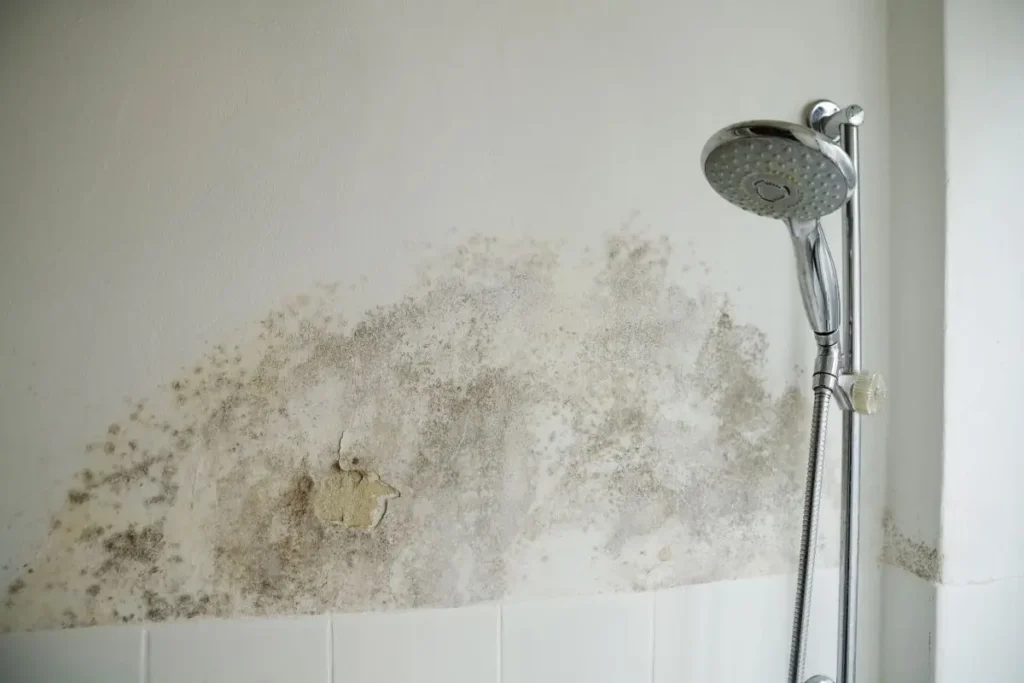
When mold keeps appearing in the same spot, it’s more than a cosmetic issue—it’s a sign that something deeper is going on. You can clean it, spray it, even repaint over it, but recurring mold almost always means there’s an active moisture problem beneath the surface.
Here’s why it happens and what you can do to finally stop mold from returning.
1. Surface Cleaning Doesn’t Address Moisture Problems
The #1 reason recurring mold happens?
The moisture source hasn’t been fixed.
Common hidden moisture causes include:
- Leaks behind walls or under floors
- Foundation or basement seepage
- Condensation around windows
- Poor bathroom ventilation
- High humidity from showers, cooking, or laundry
Until the moisture issue is addressed, mold will continue regrowing.
Learn more about moisture and mold from the EPA:
🔗 https://www.epa.gov/mold/mold-moisture-and-your-home
2. DIY Cleaners Only Remove Surface Mold
Mold roots (hyphae) grow deep into porous materials like drywall, grout, wood, and insulation.
Bleach and store-bought cleaners lighten the surface, but they don’t penetrate or remove mold within the material.
That’s why the spot looks clean—then comes right back.
3. Poor Ventilation Creates the Perfect Regrowth Environment
Poor airflow leads to trapped humidity, especially in:
- Bathrooms
- Basements
- Attics
- Laundry rooms
- Behind furniture
Humidity above 50% alone can start feeding mold growth again.
The CDC outlines how moisture affects mold here:
🔗 https://www.cdc.gov/niosh/mold
4. Condensation Is Often Misdiagnosed
Condensation is a quiet, often overlooked cause of recurring mold.
You may have a condensation problem if you notice:
- Foggy windows
- Water droplets on sills
- Dampness behind large furniture
- Black spots in cold corners
Fixing condensation requires humidity control, improved airflow, and sometimes insulation upgrades.
5. Waterproof Paint Covers Mold—It Doesn’t Stop It
Painting over mold traps moisture behind the coating.
The mold grows underneath and will eventually break through the new paint.
Paint ≠ remediation.
6. Sometimes the Material Is Too Easily Infested
If drywall, insulation, or caulk stays wet long enough, mold embeds deep inside. These materials often need to be removed and replaced—not just cleaned.
7. Recurring Mold Often Means There’s Mold You Can’t See
Visible mold is sometimes just the tip of the iceberg.
Hidden mold sources may include:
- Behind walls
- Inside HVAC systems
- Under flooring
- Behind basement paneling
- In attic sheathing
- Inside crawlspaces
If mold regularly returns to one area, a hidden moisture or mold issue is likely.
How to Stop Recurring Mold for Good
✔ 1. Fix the moisture source
Repair leaks, improve drainage, adjust ventilation, or add dehumidification.
✔ 2. Replace contaminated materials when needed
Heavily saturated materials often must be removed.
✔ 3. Improve airflow
Use exhaust fans, open vents, move furniture away from exterior walls.
✔ 4. Maintain humidity between 35–50%
A simple hygrometer helps you monitor your home.
✔ 5. Get professional mold testing
If mold keeps coming back, testing can identify hidden sources and moisture issues you can’t see.
Final Thoughts
Recurring mold is a warning sign, not just an annoyance. It’s your home’s way of telling you that moisture is still present—whether on the surface, trapped behind walls, or circulating through your HVAC system.
By addressing the root cause instead of just cleaning the surface, you can finally put a stop to mold reappearing in the same spot.