
If you’ve noticed dark spots or discoloration forming on your window frames or sills, you’re not alone. Mold around windows is one of the most common indoor mold issues homeowners encounter — especially during colder months.
While it may seem like a minor cosmetic issue, mold growth around windows often signals a moisture problem that shouldn’t be ignored. Understanding why mold forms in these areas can help you prevent it and protect your home’s indoor air quality.
Why Mold Around Windows Is So Common
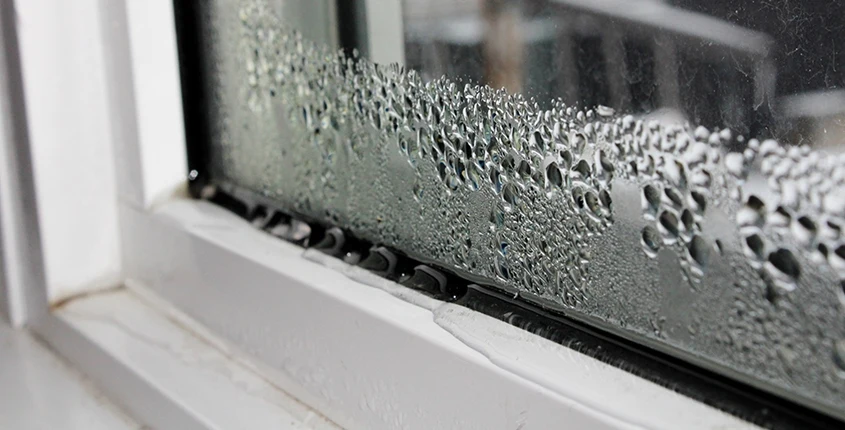
Windows naturally create conditions where moisture can collect. When warm indoor air meets the cold surface of window glass, condensation forms. Over time, this moisture can accumulate on frames, sills, and nearby drywall.
Mold thrives in damp environments, so repeated condensation can easily lead to mold around windows if the moisture isn’t addressed.
Several factors contribute to this problem, including:
- Poor ventilation
- High indoor humidity
- Cold window surfaces
- Air leaks around window frames
- Insufficient insulation
Once moisture is present regularly, mold spores in the air can settle and begin growing.
Condensation: The Biggest Cause
Condensation is the most common reason homeowners see mold around windows, particularly during fall and winter.
Daily activities such as cooking, showering, and even breathing release moisture into the air. When indoor humidity is high and windows are cold, water droplets form on the glass and surrounding materials.
Over time, this repeated moisture exposure creates the perfect environment for mold growth.
The EPA explains that controlling indoor moisture is the most important step in preventing mold growth in homes.
🔗 https://www.epa.gov/mold/mold-moisture-and-your-home
Hidden Window Leaks Can Also Be the Problem
Sometimes the issue goes beyond simple condensation.
Small gaps in window seals, damaged caulking, or aging frames can allow water to seep in from outside during rain or snow. This moisture may collect behind the wall or under the window sill, where mold can grow out of sight.
If mold appears around windows even during dry conditions, it may indicate a hidden moisture intrusion rather than just humidity.
Signs Mold Around Windows May Be Getting Worse
Small spots can grow quickly if the moisture source continues. Watch for signs like:
- Musty or damp odors near windows
- Dark spotting on window sills or frames
- Peeling paint or bubbling drywall
- Discoloration spreading beyond the window area
- Mold returning soon after cleaning
These signs may indicate the mold problem is more than just surface-level.
According to the CDC, indoor mold exposure can irritate the eyes, skin, nose, throat, and lungs, especially for individuals with allergies or respiratory conditions.
🔗 https://www.cdc.gov/mold
How to Prevent Mold Around Windows
The key to preventing mold around windows is reducing moisture and improving airflow.
Homeowners can lower the risk by:
Lowering indoor humidity
Keep humidity levels between 35–50%.
Improving ventilation
Use exhaust fans in kitchens and bathrooms.
Wiping away condensation
Dry window sills when moisture forms.
Checking window seals
Repair damaged caulking or weather stripping.
Improving insulation
Better insulation reduces temperature differences that cause condensation.
These small steps can significantly reduce mold risk.
When to Consider Professional Mold Testing
Occasional condensation is normal, but persistent mold growth is not.
If mold around windows continues to return despite cleaning, it may indicate a deeper moisture issue behind walls or inside the window structure. In these cases, professional mold testing can help identify hidden growth and determine whether indoor air quality has been affected.
Early detection can prevent mold from spreading and help homeowners address the true source of the problem.
Final Thoughts
While mold around windows may start as small spots on a sill or frame, it’s often a sign that moisture is lingering where it shouldn’t. Addressing condensation, ventilation, and potential leaks can prevent mold from becoming a larger issue.
If mold keeps appearing around your windows or spreading to nearby surfaces, professional testing can provide clear answers and help ensure your home remains a healthy environment.