
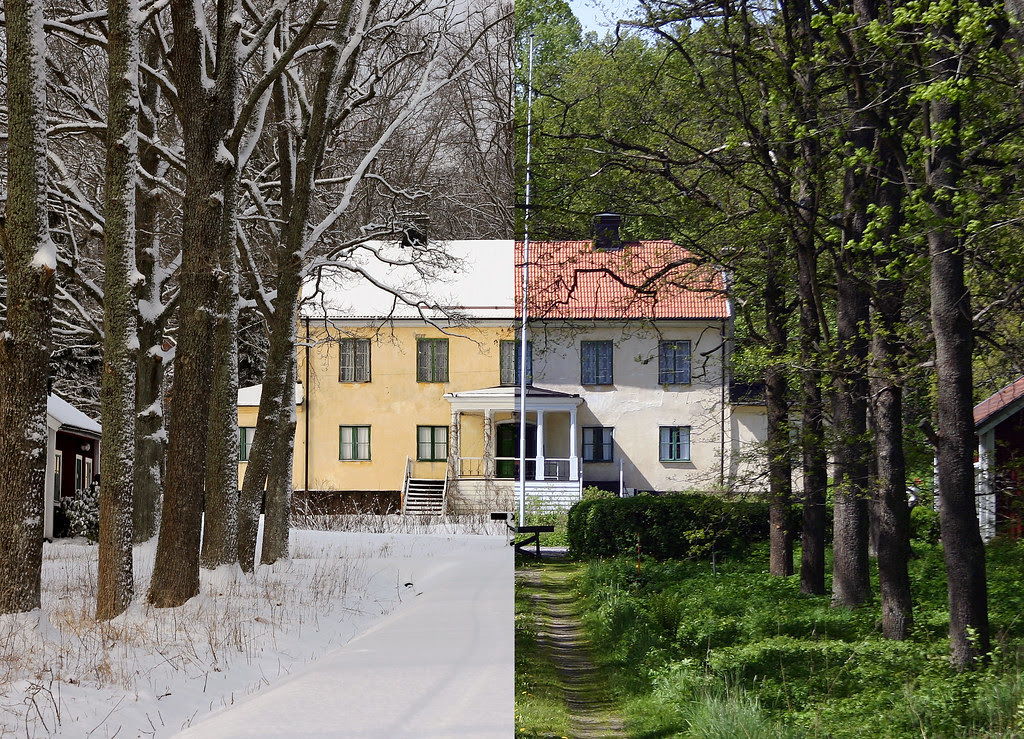
Most homeowners think mold is a summer problem — something caused by heat, humidity, and damp basements.
But here’s the truth:
If you’re wondering “is mold worse in summer or winter,” the answer isn’t as simple as one season being safer than the other.
Both summer and winter create the perfect conditions for mold — just in very different ways.
Let’s break it down.
Summer vs. Winter Mold: What’s the Difference?
Understanding how mold behaves in each season can help you prevent it before it starts.
☀️ Summer Mold: Fast, Visible Growth
Summer is when mold tends to grow faster and more aggressively.
Why summer increases mold risk:
- High humidity levels (often above 60%)
- Warm temperatures that speed up growth
- Frequent rain and storms
- Damp basements and crawlspaces
- Air conditioning systems that may hold moisture
Where mold shows up in summer:
- Basements
- Bathrooms
- Around AC units
- Under sinks
- Damp carpets or rugs
Because mold thrives in warm, humid environments, summer often leads to visible mold problems that spread quickly.
❄️ Winter Mold: Slower, But Hidden
Winter mold is more subtle — and often more dangerous because it’s easier to miss.
Why mold grows in winter:
- Condensation from warm indoor air hitting cold surfaces
- Poor ventilation in sealed homes
- Indoor humidity from cooking, showers, and humidifiers
- Ice dams causing roof leaks
- Damp attics and wall cavities
Where mold shows up in winter:
- Around windows and window frames
- Attics
- Ceiling corners
- Behind furniture on exterior walls
- Bathrooms without proper ventilation
According to the EPA, moisture control is the most important factor in preventing mold growth indoors.
🔗 https://www.epa.gov/mold/mold-moisture-and-your-home
So, Is Mold Worse in Summer or Winter?
If you’re asking “is mold worse in summer or winter,” here’s the real answer:
- Summer mold is faster and easier to spot
- Winter mold is slower but often hidden
That means:
- Summer problems are obvious
- Winter problems are often discovered too late
Neither season is truly “safe” — they just create different types of mold risk.
The Real Cause: Moisture, Not the Season
Mold doesn’t care what time of year it is. It only needs one thing to grow: moisture.
That moisture can come from:
- Humid summer air
- Winter condensation
- Roof leaks
- Plumbing issues
- Poor ventilation
The CDC explains that mold exposure can irritate the eyes, skin, nose, throat, and lungs, especially with ongoing exposure.
🔗 https://www.cdc.gov/mold
When Mold Risk Is Actually Highest
The biggest mold risks often happen between seasons, not during them.
🌸 Spring:
- Snowmelt + rain = excess moisture
- Basement and foundation seepage
🍂 Fall:
- Fluctuating humidity
- Reduced ventilation
- HVAC transitions
These periods combine moisture from multiple sources, increasing the chance of hidden mold growth.
How to Protect Your Home Year-Round
No matter the season, these steps reduce your risk:
Keep humidity between 35–50%
Use exhaust fans in bathrooms and kitchens
Fix leaks immediately
Improve airflow throughout your home
Check attics, basements, and windows regularly
Maintain your HVAC system
Consistency is more effective than seasonal fixes.
When to Consider Mold Testing
Because mold behaves differently in summer and winter, it’s not always easy to detect.
Consider testing if:
- You smell musty odors
- Mold keeps returning
- You’ve had recent leaks or water damage
- You notice condensation regularly
- Symptoms worsen indoors
Professional testing can help identify hidden mold and give you clear answers.
Final Thoughts
So, is mold worse in summer or winter?
The reality is that both seasons create mold risks — just in different ways.
- Summer = fast, visible growth
- Winter = slow, hidden buildup
The key takeaway:
👉 If moisture is present, mold can grow — any time of year.
Staying proactive with moisture control and inspections is the best way to protect your home and your indoor air quality.