
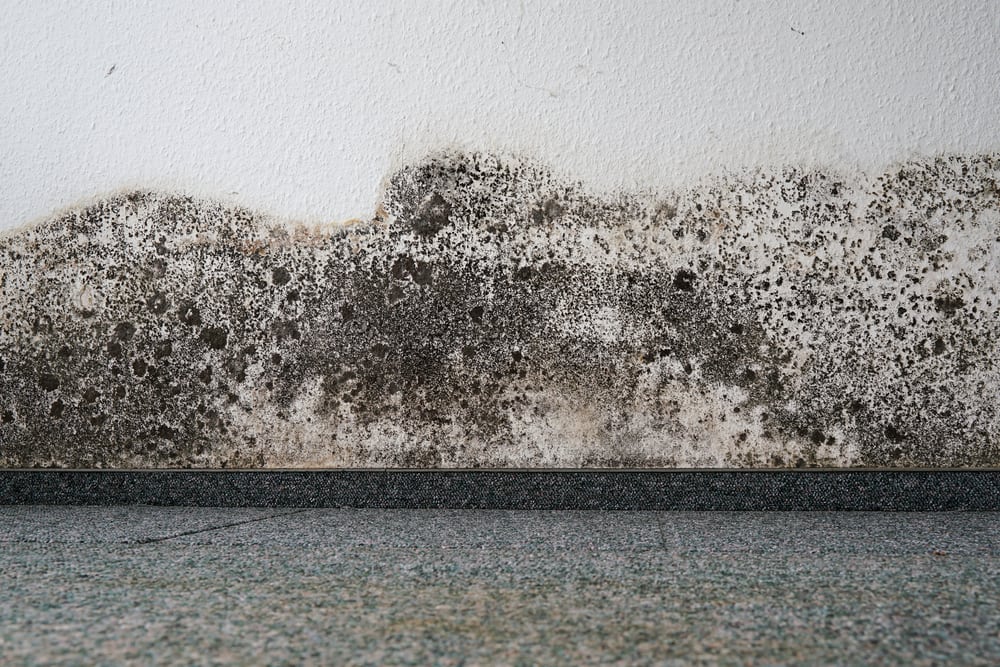
You notice a dark spot on the wall. Maybe it’s on the ceiling, around a window, or in the corner of the bathroom.
Your first thought: Is that mold… or just dirt?
It’s one of the most common questions homeowners ask. And it matters — because confusing mold or dirt can lead to either unnecessary worry or ignoring a real problem that could affect your home and health.
Here’s how to tell the difference, what warning signs to look for, and when it’s time to consider professional mold testing.
Why Mold Gets Confused with Dirt
At first glance, mold doesn’t always look dramatic or obvious. It can appear as:
- Small specks
- Light stains
- Smudges
- Dusty-looking patches
- Discoloration on caulk or grout
Because of this, many homeowners assume it’s just dirt, dust, or old staining.
But mold growth often starts subtly — especially in hidden or humid areas — making it easy to overlook early signs.
Visual Clues: Mold or Dirt?
Here are some simple ways to visually compare mold or dirt:
Dirt or Dust Usually:
- Looks flat or powdery
- Wipes away easily
- Doesn’t spread quickly
- Has a gray or brown tone
- Appears near vents, floors, or high-traffic areas
Mold Usually:
- Looks fuzzy, spotty, or blotchy
- Has irregular edges
- May appear green, black, white, or yellow
- Returns after cleaning
- Spreads outward over time
If a spot keeps coming back after you clean it, that’s a strong sign it may be mold rather than simple dirt.
The Smell Test
Your nose can often tell you more than your eyes.
Mold commonly produces a:
- Musty
- Damp
- Earthy smell
Dirt and dust usually have little to no odor.
If you smell something musty but can’t see obvious growth, mold could be hiding behind walls, under flooring, or inside ventilation systems.
According to the CDC, mold growth indoors is often linked to moisture problems and can cause noticeable odors and irritation.
🔗 https://www.cdc.gov/niosh/mold
Location Matters
Where the stain appears can help you determine if it’s mold or dirt.
More likely dirt:
- Near air vents
- Around baseboards
- Entryways
- Floors or shelves
More likely mold:
- Bathrooms and showers
- Around windows with condensation
- Under sinks
- Basements
- Attics
- Laundry rooms
- Anywhere moisture collects
Mold needs moisture to grow, so damp areas are always higher risk.
The EPA explains that controlling moisture is the key to preventing indoor mold growth.
🔗 https://www.epa.gov/mold/mold-moisture-and-your-home
Try This Simple Cleaning Test
If you’re unsure whether it’s mold or dirt, try this:
- Wipe the area with a household cleaner
- Let it fully dry
- Check back in 24–48 hours
If the stain:
- Stays gone → likely dirt
- Returns or spreads → likely mold
Recurring spots almost always point to an underlying moisture issue.
When It’s Probably Not Just Dirt
Consider mold testing if you notice:
- Spots that repeatedly return
- Musty odors
- Water damage or leaks
- Bubbling paint or drywall
- Allergy-like symptoms indoors
- Growth in multiple rooms
These signs suggest there may be more than surface staining happening.
Why Accurate Identification Matters
Mistaking mold for dirt can delay fixing the real problem.
Unchecked mold can:
- Spread behind walls
- Damage materials
- Affect indoor air quality
- Increase remediation costs later
Catching it early makes solutions simpler and more affordable.
Final Thoughts
If you’re debating mold or dirt, don’t rely on guesswork. While some stains are harmless dust or buildup, others may signal hidden moisture or mold growth that needs attention.
When in doubt, professional mold testing provides clear answers and peace of mind — helping you protect both your home and your indoor air quality.