
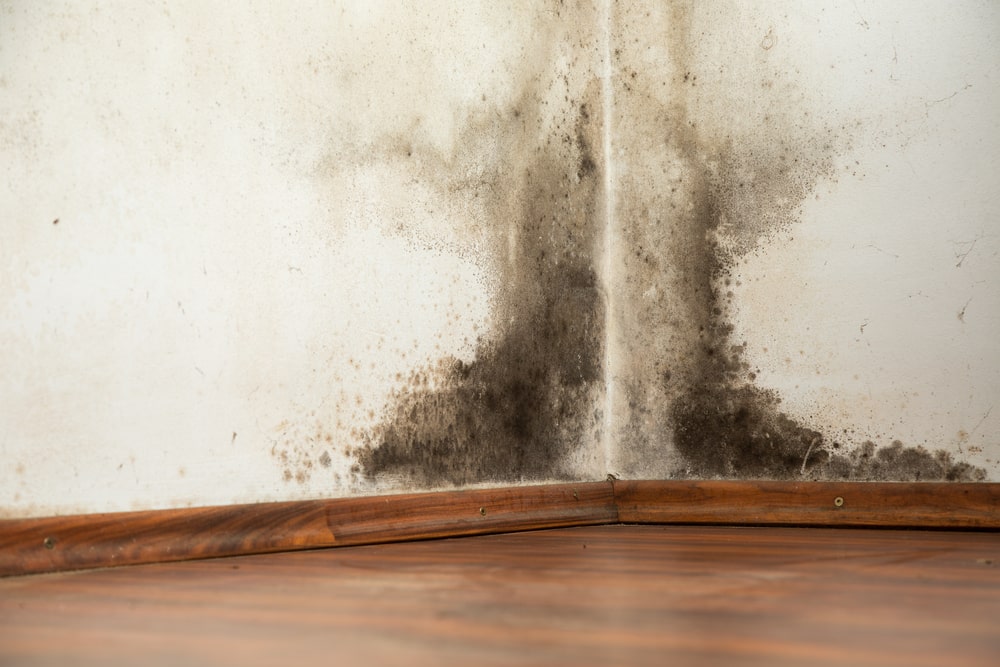
Mold is often treated as a short-term household nuisance — something to clean, paint over, or ignore until it becomes visible. But when mold is present for extended periods, especially when it’s hidden, long-term exposure can have serious effects on both health and home integrity.
Many homeowners live with mold for months or even years without realizing it. Understanding how prolonged exposure affects the body — and when mold becomes a bigger concern — is an important step toward protecting your household.
What Is Long-Term Mold Exposure?
Long-term mold exposure occurs when people are repeatedly exposed to mold spores over weeks, months, or years. This often happens when mold is hidden behind walls, under flooring, in attics, crawlspaces, or HVAC systems.
Unlike short-term exposure, which may cause mild irritation, ongoing exposure can lead to persistent symptoms that are often misattributed to seasonal allergies, stress, or other environmental factors.
Common Health Symptoms Linked to Long-Term Mold Exposure
The health effects of mold exposure vary from person to person, but prolonged exposure can contribute to:
- Chronic nasal congestion or sinus issues
- Persistent coughing or throat irritation
- Worsening asthma or respiratory conditions
- Headaches or migraines
- Fatigue or brain fog
- Skin irritation or rashes
- Eye irritation or sensitivity
According to the CDC, mold exposure can irritate the eyes, skin, nose, throat, and lungs — especially with ongoing exposure.
🔗 CDC – Mold Basics: https://www.cdc.gov/niosh/mold
Children, older adults, and individuals with asthma, allergies, or weakened immune systems may experience more severe or persistent symptoms.
Why Hidden Mold Is Especially Concerning
One of the biggest dangers of long-term mold exposure is that it often comes from mold you can’t see.
Hidden mold may exist:
- Behind drywall
- Under carpet or flooring
- Inside HVAC systems or ductwork
- In attics or crawlspaces
- Behind cabinets or appliances
Because it’s out of sight, exposure can continue without interruption, allowing symptoms to persist or worsen over time.
Mold Exposure vs. Moisture Problems
It’s important to understand that mold is a symptom — moisture is the cause.
Persistent moisture from leaks, condensation, poor ventilation, or high indoor humidity allows mold to grow continuously. Without fixing the moisture source, mold exposure can continue even if visible growth is cleaned.
The EPA emphasizes that controlling moisture is the key to preventing mold growth indoors.
🔗 EPA – Mold, Moisture, and Your Home: https://www.epa.gov/mold/mold-moisture-and-your-home
How Long-Term Mold Exposure Affects Indoor Air Quality
Mold reproduces by releasing microscopic spores into the air. When these spores circulate through a home — especially via HVAC systems — they become part of the indoor air you breathe every day.
Poor indoor air quality can contribute to:
- Ongoing respiratory irritation
- Increased allergy symptoms
- Reduced comfort and sleep quality
- Worsening indoor odors
Because spores are invisible, air testing is often the only way to identify an ongoing exposure issue.
When to Consider Professional Mold Testing
You should consider professional mold testing if:
- Symptoms persist without a clear cause
- Multiple people in the home experience similar issues
- Musty odors are present
- Mold keeps returning after cleaning
- There is a history of water damage or leaks
- You suspect mold may be hidden
Testing helps identify whether mold is present, where it may be coming from, and whether exposure levels are elevated indoors.
Why Early Detection Matters
The longer mold exposure continues, the more difficult and expensive it can become to resolve. Early detection allows homeowners to:
- Address moisture problems sooner
- Limit health-related impacts
- Prevent structural damage
- Reduce long-term remediation costs
Proactive testing offers peace of mind and helps protect both the home and the people living in it.
Final Thoughts
Long-term mold exposure is not always obvious, but its effects can quietly build over time. If you’ve noticed ongoing symptoms, musty odors, or recurring moisture issues, it may be time to look deeper.
A professional mold inspection can provide clarity, identify hidden problems, and help you take informed steps toward a healthier indoor environment.